Nikah in the Light of Ahadees: Sunnah, Sanctity & Legal Validity
An authentic look at Nikah through the Ahadees of the Prophet ﷺ — its sanctity, conditions, and how it is registered today under Pakistani law.
Abu Al-Jilan Chishti
Certified Nikah Registrar · Legal Advisor
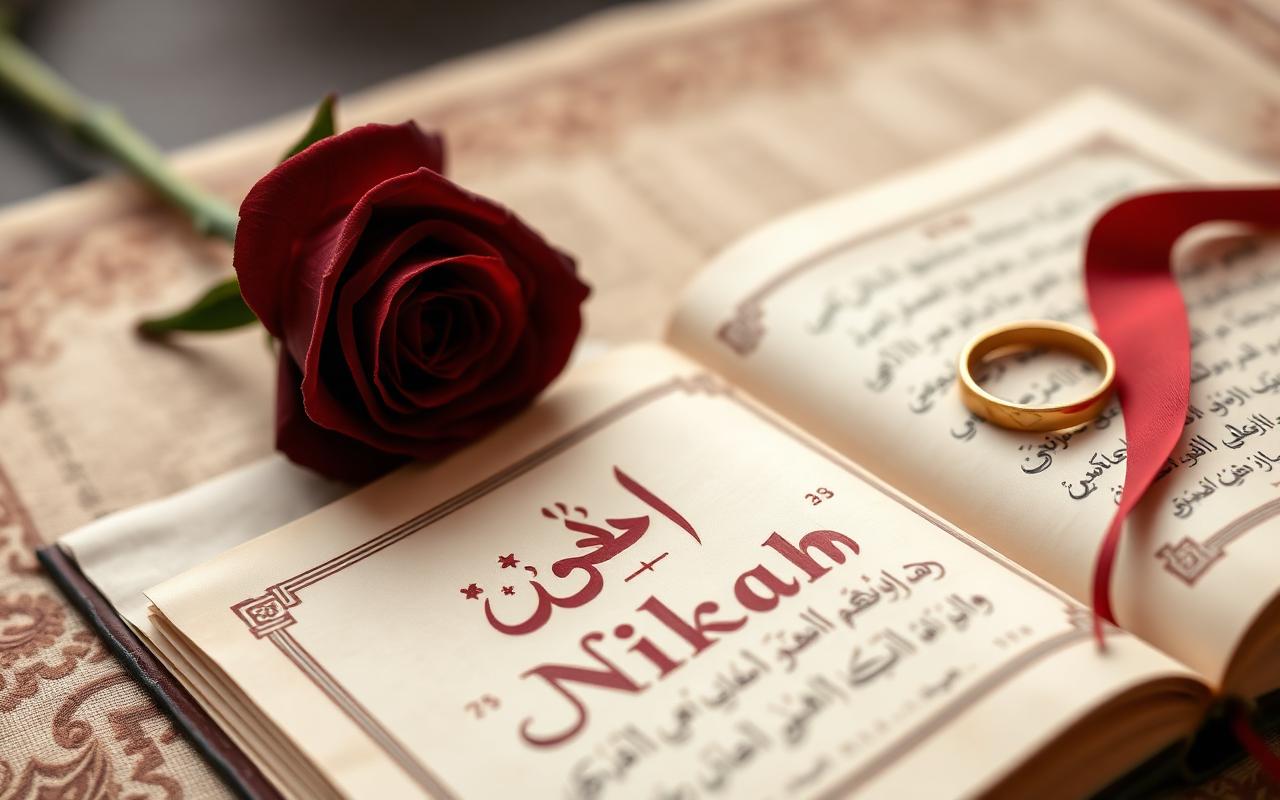
Nikah is one of the most blessed acts in Islam. The Prophet Muhammad ﷺ described it as half of one's faith and as his own beloved Sunnah. Understanding Nikah through authentic Ahadees gives couples not just legal clarity but spiritual conviction in the bond they are about to enter.
Nikah is Half of Faith
The Prophet ﷺ said: "When a person marries, he has completed half of his religion; so let him fear Allah regarding the other half." (Reported by Al-Bayhaqi). This Hadees elevates Nikah from a mere social contract to an act of worship that protects faith, character and society.
It is for this reason that every Online Nikah, Court Marriage or in-person ceremony we conduct is treated with the seriousness of an ibadah — never as a formality.
Marry the One Who is Religious
The Prophet ﷺ said: "A woman is married for four things: her wealth, her lineage, her beauty and her religion. So choose the religious one — may your hands be rubbed with dust (i.e. may you prosper)." (Sahih al-Bukhari).
This guidance reminds couples and families that compatibility in Deen is the strongest foundation for a successful Nikah, and it is the very spirit in which our consultancy advises every family.
Announce the Nikah, Do Not Hide It
The Prophet ﷺ said: "Announce this marriage, conduct it in the mosques and beat the duff for it." (Sunan al-Tirmidhi). Islam discourages secret Nikah. This is also why Pakistani law requires the Nikah Nama to be registered with the Union Council and entered into NADRA records — to give the marriage public, legal recognition.
The Pillars of a Valid Nikah
Based on the Sunnah and classical Fiqh, a Nikah is valid when these elements are present:
• Free consent (Ijab & Qubool) of both bride and groom.
• Two adult Muslim witnesses.
• A defined Mehr (dower) agreed upon for the bride.
• A Wali (guardian) where required by the relevant school of thought.
• Public declaration and proper registration.
An Online Nikah meets each of these conditions when the Registrar, witnesses and Nikah Khwan are present and the parties give consent over a secure live link — which is the model we follow at OnlineNikahSolution.pk.
Mehr is the Right of the Wife
Allah says: "And give the women their dowries graciously." (Surah An-Nisa 4:4). The Prophet ﷺ accepted Mehr as little as an iron ring and as much as families could afford. Mehr is never a tax on the groom — it is a sacred right of the bride that must be clearly written into the Nikah Nama.
From Sunnah to NADRA
When the Sunnah requirements are satisfied and the Nikah Nama is signed before the Registrar, we forward it to the Union Council for registration. NADRA then issues the Marriage Registration Certificate (MRC), which is accepted by embassies, courts and government bodies worldwide.
This is how a 1,400-year-old Sunnah is preserved with full legal protection in modern Pakistan — and how every couple we serve completes their Nikah with both Allah's blessing and the law's recognition.
Need Personal Guidance?